



Free shipping (mainland Spain and Portugal) on orders over €50 | Free returns within 30 days
Free shipping on orders over €50*
The art of manufacturing since 1905
Industrial tradition and entrepreneurial spirit
In 1905, in Eibar, Manuel Barrenechea, Bernardo Olañeta, and Vicente Juaristi founded the company M. Barrenechea, Olañeta y Juaristi Sucesores de M. Barrenechea y Cía., which manufacturedtemplates for gunsmiths and damasceners, as well as stamping and minting medals.
Manuel Barrenech
BOJ was founded in Éibar in 1905.
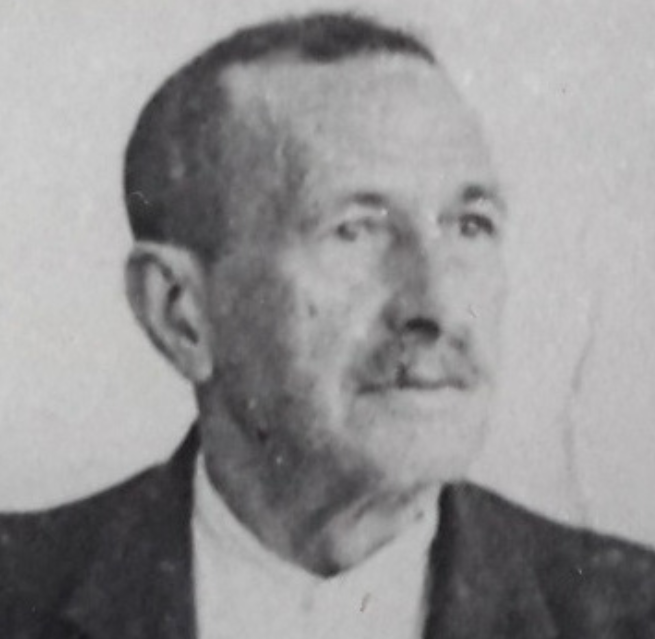
Manuel Barrenechea
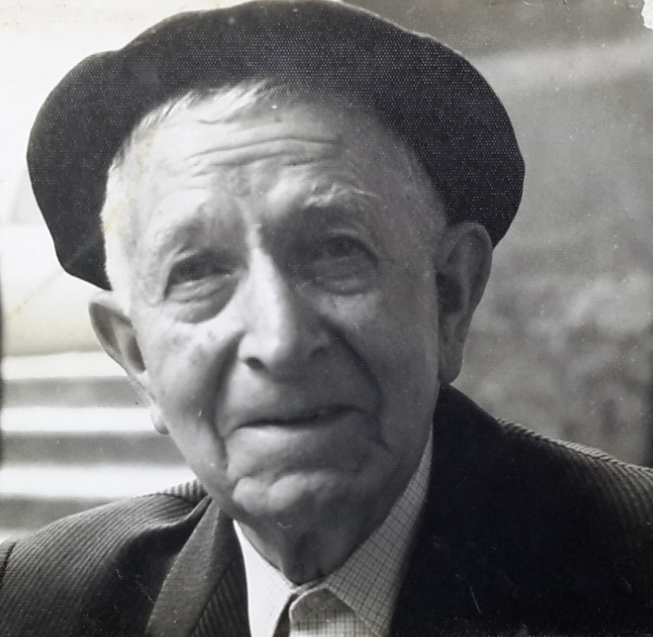
Bernardo Olañeta
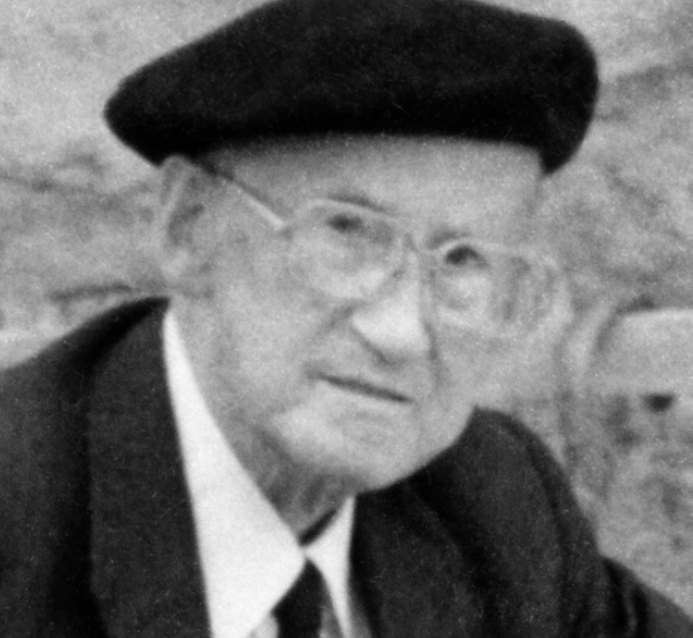
Vicente Juaristi
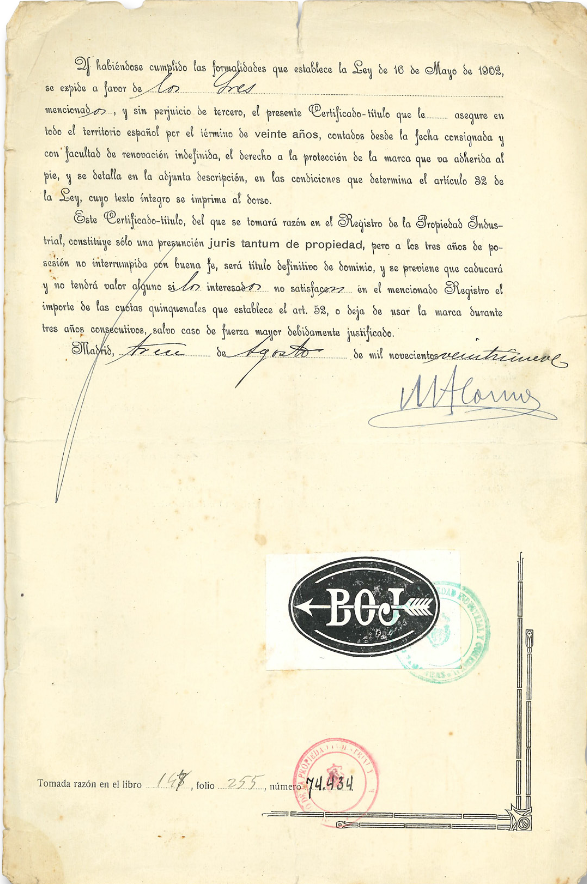
The logo identifies the brand and makes it visible and recognizable wherever it is used. In our case, the BOJ logo is composed of the first letters of the founding partners' surnames: B for Barrenechea, O for Olañeta, and J for Juaristi, enclosed in an oval and crossed by an arrow from right to left. Throughout the company's existence, the logo has taken on different shapes and colors, but the three initials B, O, and J have remained unchanged since its inception.
In December 1928, BOJ was registered as a trademark.
In 1932, they began manufacturing the double-lever corkscrew model, an iconic piece in the history of BOJ that represents the passing of the years, also known as the owl.
The cost book indicates that it was made of two malleable cast iron arms, a square bar calibrated and drilled for the passage of the teeth of the arms, which has a threaded milled pin.
The body is made of stamped sheet metal, bent with an embossed bowl. The bowl is attached to the body by two brass-welded strips. The entire assembly is riveted. The finish is polished and nickel-plated.
In the 1930s, the company began manufacturing double-lever can openers and corkscrews.
In the 1940s, David Olañeta, son of Bernardo and father of Cecilia and Santiago, the current manager of the company, redesigned the double-lever corkscrew model, which is similar to the one currently manufactured.
The design of this corkscrew model, which is already widely recognized, generates curious graphic interpretations due to its shapes. It has been exhibited at international exhibitions and has appeared in industrial design books. It is currently sold at the Moma Store in New York, the shop of the world's most prestigious contemporary art museum.
1940s. Redesign of the Owl corkscrew sold at the Moma Store in New York.
In the 1940s, David Olañeta, son of Bernardo and father of Cecilia and Santiago, the current manager of the company, redesigned the double-lever corkscrew model, which is similar to the one currently manufactured.
The design of this corkscrew model, which is already widely recognized, generates curious graphic interpretations due to its shapes. It has been exhibited at international exhibitions and has appeared in industrial design books. It is currently sold at the Moma Store in New York, the shop of the world's most prestigious contemporary art museum.
1950s. Tabletop and wall-mounted corkscrews
The industrial can opener is another of the tools that BOJ has manufactured over the years.
The first ones were made of cast iron and were a single piece. The plate was made of aluminum and cast at Mateo Suinaga's foundry in Matsaria. The design was modified in the 1980s.
The head was made of die-cast zamac, with a stainless steel, aluminum, or iron tube inserted depending on the model, and the plate was stamped.
The 1980s. The design of the industrial can opener is modified.
On July 25, 1940, the first meeting of the partners was held in the new Matsaria pavilions, and Minutes No. 25 were drawn up. This means that in 2018, 78 years of industrial activity have been completed in the current pavilions. Although minor modifications have been made over the years, the original building differed little from the current one.
Current BOJ Olañeta factory project in Éibar.
Please be advised that our logistics operations will be suspended fromJuly 31 through August 23. You can continue to shop as usual, but order processing and shipping will resume when we return. We apologize for any inconvenience this may cause.